


Safety Helmet For Outdoor Workers
Model Number: CF45
Place of Original: Jinhua, China
Color: Red, Orange, Yellow, Green, Blue, Grey, White or Color OEM Carton Size: 55*51*44cm (25pcs/carton)
|
Place of Original |
Jinhua, China |
|
Color |
Red, Orange, Yellow, Green, Blue, Grey, White, or Color OEM |
|
Carton Size |
55*51*44cm (25pcs/carton) |
|
G.W./N.W. |
10/9KGS |
|
Material |
ABS/PE |
|
Application |
Construction/Forest/Garden Helmets |
|
Function |
The head can be protected when falling objects occur from high altitude |
|
Certificate |
CE/UKCA/ANSI |
In today's fast-paced world, the safety and well-being of outdoor workers are paramount. One essential piece of personal protective equipment (PPE) that plays a vital role in safeguarding outdoor workers is the safety helmet. The following explores the importance of safety helmets for outdoor workers, the different types available, the regulations governing their use, proper fit and maintenance guidelines, advancements in helmet technology, and frequently asked questions related to safety helmets.
The Importance of Safety Helmets for Outdoor Workers
Outdoor work environments pose various hazards, including falling objects, impacts, electrical hazards, and extreme weather conditions. A safety helmet serves as a critical safeguard against head injuries that can result from these hazards. By wearing a safety helmet, outdoor workers significantly reduce the risk of severe head trauma, concussions, and other life-altering injuries.
Choosing the Right Safety Helmet
Factors to Consider When Choosing a Safety Helmet
Selecting the appropriate safety helmet requires careful consideration of several factors. Factors such as industry requirements, job roles, comfort, and additional features should all be taken into account to ensure optimal protection and user satisfaction.
Types of Safety Helmets for Outdoor Workers
Different work environments demand different types of safety helmets. This section highlights various safety helmet types, including those specifically designed for construction sites, industrial settings, and specialized outdoor activities such as climbing and cycling.
Features to Look for in a Safety Helmet
To enhance safety and user comfort, modern safety helmets come equipped with a range of features. From impact-resistant materials to ventilation systems and adjustable straps, understanding these features can help outdoor workers choose the most suitable helmet for their specific needs.
The Role of Safety Helmets in Preventing Head Injuries
Understanding Head Injuries in the Workplace
Head injuries can have devastating consequences for outdoor workers. This section provides an overview of common head injuries that occur in work environments and emphasizes the importance of preventative measures, including the use of safety helmets.
How Safety Helmets Protect Outdoor Workers
Delving deeper, this subsection explains the mechanisms by which safety helmets provide protection. By distributing impact forces, absorbing energy, and creating a barrier against external hazards, safety helmets act as a shield for the head, reducing the severity of injuries.
Regulations and Standards for Safety Helmets
Occupational Safety and Health Administration (OSHA) Standards
The Occupational Safety and Health Administration (OSHA) plays a crucial role in establishing and enforcing safety standards in the United States. This subsection outlines OSHA's requirements regarding safety helmets and provides valuable insights for employers and employees alike.
American National Standards Institute (ANSI) Standards
The American National Standards Institute (ANSI) sets the benchmarks for safety helmet performance and quality. Understanding ANSI standards can help outdoor workers and safety managers make informed decisions when selecting safety helmets.
European Norms (EN) for Safety Helmets
In Europe, safety helmets conform to specific European Norms (EN). This subsection sheds light on the EN standards for safety helmets, helping readers understand the safety requirements applicable in European work environments.
Proper Fit and Maintenance of Safety Helmets
Ensuring Proper Fit of a Safety Helmet
A properly fitted safety helmet is essential for optimum protection. This section provides guidelines on selecting the correct size, adjusting straps, and achieving a secure and comfortable fit.
Regular Inspection and Maintenance of Safety Helmets
To ensure the longevity and effectiveness of safety helmets, routine inspection and maintenance are necessary. Readers will learn about the key aspects of helmet maintenance, including cleaning, storage, and recognizing signs of wear or damage.
Safety Helmet Accessories for Outdoor Workers
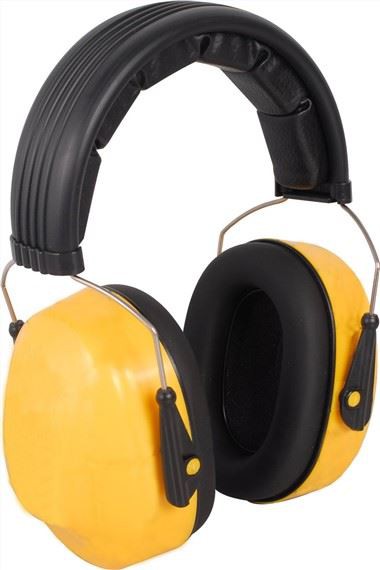
Attachable Ear Muffs and Visors
For added protection and convenience, safety helmets can be paired with attachable ear muffs and visors. This subsection explores the benefits of these accessories and their role in enhancing worker safety in various environments.
Helmet Lights and Reflective Stickers
Enhancing visibility is crucial in low-light conditions. Helmet lights and reflective stickers serve as valuable tools to increase worker visibility, minimizing the risk of accidents. This section discusses their advantages and practical applications.
Cooling Systems for Safety Helmets
Outdoor work often involves exposure to extreme heat, making comfort a priority. Cooling systems integrated into safety helmets offer relief and prevent heat-related illnesses. This subsection examines different cooling technologies available for safety helmets.
Advancements in Safety Helmet Technology
Smart Safety Helmets
Innovation has paved the way for smart safety helmets that integrate technology to enhance worker safety. These helmets are equipped with features such as built-in sensors, GPS tracking, real-time communication capabilities, and even augmented reality (AR) displays. This subsection explores the potential benefits of smart safety helmets in various industries and highlights their role in improving efficiency and safety.
Impact-Resistant Materials
Traditional safety helmets have evolved with the introduction of impact-resistant materials. This subsection discusses advanced materials like high-density polyethylene (HDPE) and thermoplastic shells that provide superior protection against impacts, penetration, and electrical hazards.
Communication and Tracking Features
Effective communication and tracking are crucial in hazardous work environments. Some safety helmets now incorporate wireless communication systems and tracking devices to facilitate seamless communication between workers and supervisors, enhancing coordination and response times.
Frequently Asked Questions (FAQs)
What is the purpose of a safety helmet for outdoor workers?
Answer: The purpose of a safety helmet is to protect outdoor workers from head injuries caused by falling objects, impacts, and other hazards present in their work environment.
How do safety helmets protect against head injuries?
Answer: Safety helmets protect against head injuries by absorbing and distributing impact forces, reducing the risk of skull fractures, concussions, and other severe injuries.
Are safety helmets mandatory in all industries?
Answer: While safety helmet requirements may vary by industry and jurisdiction, many industries prioritize the use of safety helmets to ensure worker safety.
How often should safety helmets be replaced?
Answer: Safety helmets should be replaced according to the manufacturer's guidelines or when they show signs of wear, or damage, or have been involved in an impact.
Can safety helmets be customized for different job roles?
Answer: Yes, safety helmets can be customized with accessories and additional features to meet the specific needs of different job roles and industries.
What should I look for when buying a safety helmet?
Answer: When buying a safety helmet, consider factors such as industry standards, comfort, adjustability, ventilation, and additional features like eye and ear protection.
Are there different types of safety helmets for specific outdoor activities?
Answer: Yes, there are safety helmets designed for specific outdoor activities such as construction, climbing, cycling, and water sports, each offering specialized protection.
Can safety helmets be worn with other personal protective equipment?
Answer: Safety helmets are typically designed to be compatible with other personal protective equipment, allowing workers to wear helmets alongside items like safety glasses, ear muffs, and respirators.
What are some common signs of a damaged safety helmet?
Answer: Signs of a damaged safety helmet may include cracks, dents, deformities, loose or frayed straps, and signs of wear or deterioration on the inner suspension system.
How do I ensure a proper fit for my safety helmet?
Answer: To ensure a proper fit, measure your head circumference, adjust the suspension system accordingly, and ensure a snug but comfortable fit with no excessive movement.
Are there safety helmet accessories available for outdoor workers?
Answer: Yes, there are various accessories available for safety helmets, including attachable ear muffs, visors, helmet lights, reflective stickers, and cooling systems.
What are the benefits of using smart safety helmets?
Answer: Smart safety helmets offer benefits such as real-time communication, GPS tracking, sensor-based hazard detection, and data collection, leading to improved safety, productivity, and situational awareness.
Are there any regulations regarding safety helmet standards?
Answer: Yes, regulatory bodies such as OSHA in the United States and ANSI in North America establish and enforce safety helmet standards to ensure their performance and quality.
Can safety helmets prevent concussions?
Answer: While safety helmets can reduce the risk of severe head injuries, including concussions, they cannot completely eliminate the possibility of a concussion in all circumstances.
How do I maintain and clean my safety helmet?
Answer: Regularly clean your safety helmet with mild soap and water, avoid using harsh chemicals, inspect it for damage, and store it in a cool, dry place when not in use.
Can safety helmets be recycled?
Answer: Depending on the materials used, safety helmets may be recyclable. However, it is essential to check local recycling guidelines and consult with recycling facilities.
Are safety helmets waterproof?
Answer: Safety helmets are typically water-resistant to some extent but may not be fully waterproof. It is important to consider weather conditions and choose appropriate helmet accessories for added protection.
How do I choose the right size of safety helmet?
Answer: To choose the right size, measure your head circumference and refer to the manufacturer's size chart to select a helmet that provides a secure and comfortable fit.
Can safety helmets be used for recreational activities?
Answer: While safety helmets primarily cater to occupational safety, they can also be used for recreational activities such as cycling, skateboarding, and rock climbing to provide head protection.
Are there safety helmets specifically designed for extreme weather conditions?
Answer: Yes, some safety helmets feature specific designs and materials to withstand extreme weather conditions, including heat, cold, rain, and high winds.
What are the common misconceptions about safety helmets?
Answer: Common misconceptions about safety helmets include the belief that they can fully prevent all head injuries and that one size fits all.
Can safety helmets reduce the risk of neck injuries?
Answer: While safety helmets primarily focus on protecting the head, they can indirectly reduce the risk of neck injuries by absorbing and distributing impact forces.
Are there safety helmets with built-in communication devices?
Answer: Yes, some safety helmets are equipped with built-in communication devices, allowing for instant and hands-free communication between workers in noisy or hazardous environments.
How do safety helmets contribute to workplace safety culture?
Answer: Safety helmets promote a strong safety culture by serving as a visible symbol of a company's commitment to worker safety, emphasizing the importance of PPE and protecting employees.
Are there safety helmets for children and teenagers?
Answer: Yes, safety helmets are available in sizes suitable for children and teenagers, ensuring they have proper head protection during activities such as cycling, skateboarding, and sports.

Hot Tags: Safety Helmet For Outdoor Workers, China, manufacturers, suppliers, factory, wholesale, price, for sale, made in China, hardhat fans, best auto darkening welding helmet, jackson welding, tint face shield, under hard hat cap, karam helmet price
You Might Also Like




Send Inquiry