


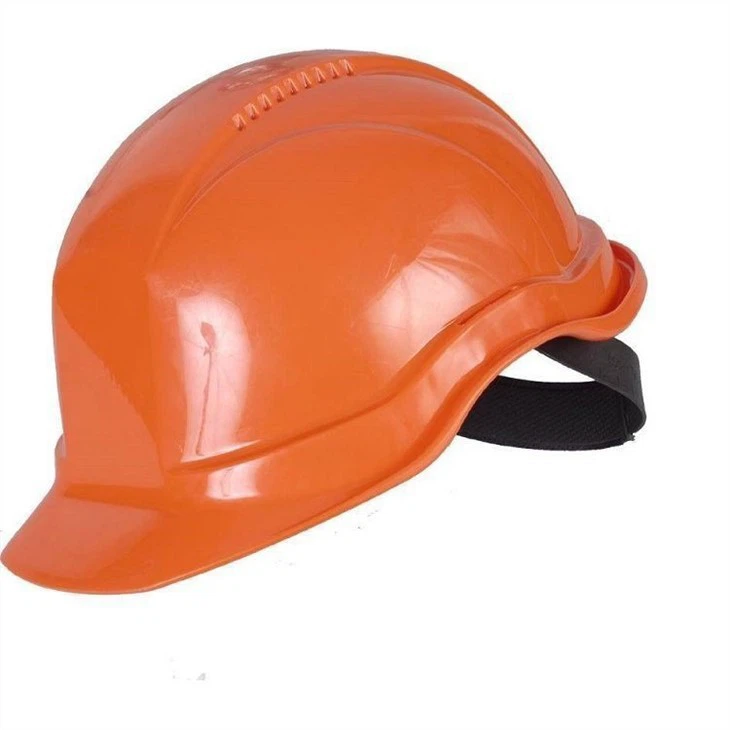

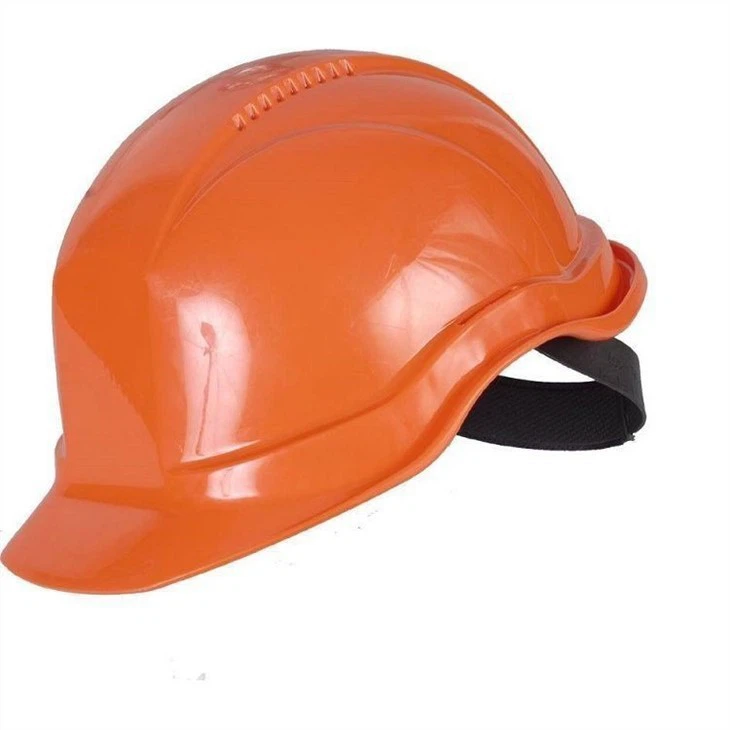
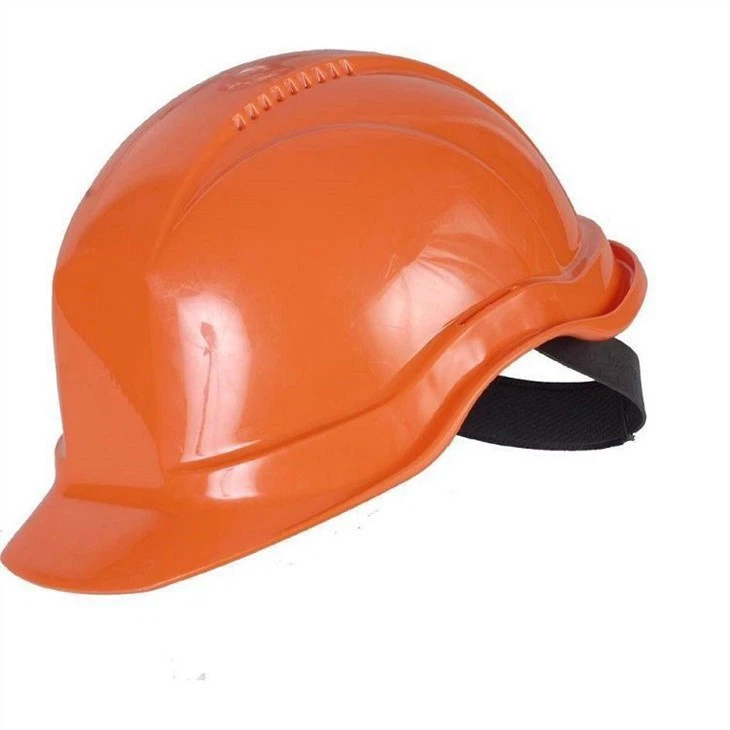
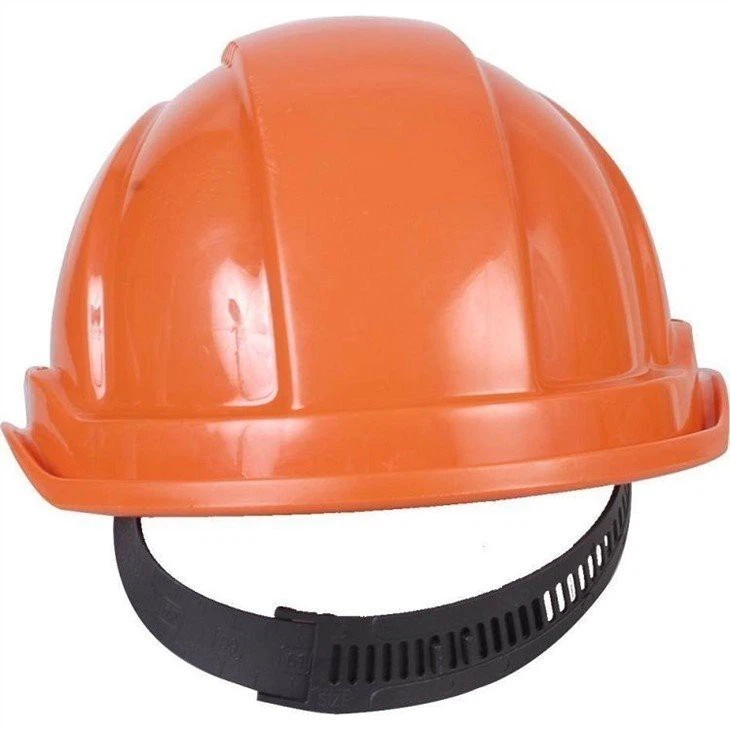
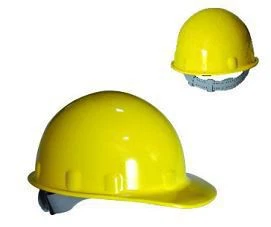
Safety Helmet For Construction
Color: Red, Orange, Yellow, Green, Blue, Grey, White or Color OEM
Carton size: 55*51*44 cm
G.W/N.W: 10/9 KGS
|
Place of Origin |
China |
|
Brand Name |
OEM or YULONG |
|
Model Number |
CF52 |
|
Color |
Red, Orange, Yellow, Green, Blue, Grey, White, or Color OEM |
|
Carton size |
55*51*44 cm |
|
G.W/N.W |
10/9 KGS |
|
Material |
ABS / PE |
|
Application |
Construction / Forest / Garden Helmets |
|
Function |
The head can be protected when falling objects occur from high altitude |
|
Certificate |
CE / UKCA /ANSI |
|
Packing |
25pcs/carton |
safety helmets for construction from the perspective of a professional factory:
Choosing the Right Safety Helmet for Construction Applications
Construction sites are high-risk environments with dangers like falling objects, electrical hazards, and head impacts. A reliable safety helmet is indispensable personal protective equipment for every construction worker. Helmets shield the head from injury and save lives.
With different types of helmets available today, choosing the right one suited to the application is vital yet challenging. This article provides comprehensive guidance for construction companies to select appropriate safety helmets for their workers based on site conditions and regulatory compliance.
Helmet Types
Construction helmets fall into several categories:
- Type I (Top Impact) - Protect from blows to the top of the head. Best for most construction uses.
- Type II (Top and Lateral Impact) - Guard against lateral strikes in addition to top impact. Essential for heavy-duty sites.
- Type I Class C - Low voltage (up to 2500V) electrical protection. For electrical trades.
- Type I Class E - High voltage (up to 20,000V) electrical protection. For utility workers.
- Type I Class G - Reduce head burns from molten metal splash. For the foundry, welding applications.
Matching helmet types to the predominant site hazards ensures suitable protection. Certain worksites warrant using helmets with supplemental visors, hearing protection, etc.
Helmet Materials
Helmet shells are made from various materials:
- High-Density Polyethylene (HDPE) - Durable, lightweight, and economical. The most common type.
- Fiberglass - Offers a high strength-to-weight ratio but is prone to damage.
- Aluminum - Lightweight but expensive. Can conduct electricity.
- Thermoplastic - Heat-resistant and durable though costly. Good for welding.
HDPE is suitable for most construction uses. Select aluminum or fiberglass shells where head protection needs outweigh the cost factors.
Helmet Features
Look for these features when purchasing helmets:
- Adjustable Fit - Multiple adjustable nape straps and headband sizes accommodate different head dimensions. Ensures a snug fit.
- Impact Absorption - Multi-density foam, air channels, and suspension systems absorb shock and cushion blows.
- Water Resistance - Water-repellent shell beadings prevent liquid ingress and electrical hazards.
- High Visibility - Bright helmet shell colors like orange, yellow, or red enhance visibility and safety.
- Ear Protection - Integrated foam inserts block loud noise while permitting communication.
- Custom Logos - Printing company logos promotes branding and permits easy crew identification.
- Accessory Mounts - Clips and slots to install face shields, earmuffs, GoPro cameras, etc. without compromising protection.
Give preference to helmets incorporating relevant features to suit work site requirements.
Helmet Standards
Construction helmets must meet safety standards relevant to the region:
- ANSI Z89.1 (USA) - Test methods and performance criteria for protective helmets. Focuses on impact and penetration resistance.
- EN 397 (Europe) - Specifies construction helmet requirements including shock absorption, chin strap quality, field of vision etc.
- AS/NZS 1801 (Australia/NZ) - Equivalent standard to EN 397 for protective helmet specifications.
- IS 2925 (India) - National standard covering construction helmet design, testing, markings, and quality control.
- GB2811 (China) - Mandates construction helmet types, labeling, performance requirements, and test methods.
Reputable helmets bear the certifying body’s registered mark indicating compliance. Using non-certified helmets risks substandard protection. Check for certification prior to purchasing.
Helmet Sizing
Helmet sizes are based on the measurement around the head about 2.5cm above the eyebrows. Common size ranges are:
- Small - 51-55 cm
- Medium - 55-59 cm
- Large - 59-63 cm
- Extra Large - 63-65 cm
Take workers’ head measurements to identify suitable size ranges. Stock a reasonable mix of sizes. Letting workers try different sizes for comfort ensures a proper fit. Mark or tag each helmet for the assigned user.
Care and Maintenance
Effective helmet care involves:
- Inspect regularly for cracks, dents, and damage to suspension webbing which necessitate helmet replacement.
- Cleaning grime and dirt frequently to prevent degradation of shell and straps.
- Avoid storage in direct sunlight which can degrade UV-resistant coatings over time.
- Keeping helmets removed when not in use to minimize unnecessary wear.
- Replacing helmets subjected to heavy blows or impact even if no external damage is evident. Internal foam compression weakens impact absorption.
- Following manufacturer guidelines on recommended helmet lifespan and replacement frequency.
Proper use, care, and replacement of damaged helmets are imperative for continued user safety. Train workers on helmet care and enforce consistent usage.
Supplementary Safety Measures
While helmets guard against above-the-shoulder hazards, additional protection like face shields, safety goggles, and hearing protection should be used for complete protection where required.
Also ensure:
- Chin straps are always securely fastened when helmets are worn.
- Safety signage and markings clearly demarcate hazardous areas.
- Tools and materials are tied down or contained to prevent falling items.
- Electrical safety protocols are adhered to when working around energized equipment.
- Scaffoldings, ladders, and platforms provide secure access and guard railing.
Adopting a holistic work site safety culture alongside protective equipment use prevents accidents and injuries.
In summary, understanding the types of safety helmets, key features, proper fitting, care, and regulatory compliance enable construction companies to provide optimal head protection tailored to application needs and risks. Adequate head defense is a crucial duty of care companies owe their workforce.

Hot Tags: safety helmet for construction, China, manufacturers, suppliers, factory, wholesale, price, for sale, made in China, most expensive welding helmet, jackson auto darkening welding helmet, Big Brim safety Helmet, digital welding helmet, safety helmet price, hard hat welding helmet
You Might Also Like




Send Inquiry