


High-Altitude Work Safety Helmet
The Essential Role of High-Altitude Work Safety Helmets in Industrial Settings
Working at heights poses significant dangers that require proper safety precautions and equipment. For jobs performed high above the ground, having head protection is absolutely vital. High-altitude work safety helmets provide this critical safeguard for workers in elevated environments. As a professional factory engaged in manufacturing, we deeply understand the necessity of high-altitude safety helmets. This comprehensive article will examine the immense value these helmets bring in industrial settings through their specialized features, compliance with rigorous standards, and ability to prevent injuries and save lives.
An Overview of Working at Heights Hazards
Before exploring the specific benefits of high-altitude safety helmets, it is important to understand the hazards of working at heights in general. Elevated work environments are inherently risky due to the greater potential for falls and dropped objects. According to the Occupational Safety and Health Administration (OSHA), falls account for around 400 fatalities per year in the construction industry alone. These accidents most often occur when workers are operating at elevation without adequate fall protection systems or equipment. Deaths and injuries related to falls represent a major workplace safety issue.
Working at height means performing job duties far above ground level, whether on scaffolding, rooftops, ladders, aerial lifts, or other raised structures and locations. At higher elevations, falls from even a few feet can result in severe trauma or death. More serious hazards include:
- Falls - Slips, trips, loss of balance, or sudden collapse of work surfaces. Falls are by far the leading cause of elevated work deaths.
- Dropped objects - Tools, equipment, construction materials, or other items falling from height onto workers below.
- Collapse - Failure of temporary structures or surfaces meant to support employees working aloft.
- Electrocution - Contact with overhead power lines while operating elevated equipment or platforms.
- Structural instability - Erosion, damage, or flaws in permanent structures being accessed at height.
These dangers underscore the importance of safety measures like high-altitude work helmets when laboring far above ground. Next, we will look at how these specialized helmets are designed and constructed to protect against such hazards.
Key Features and Design Factors of High-Altitude Safety Helmets
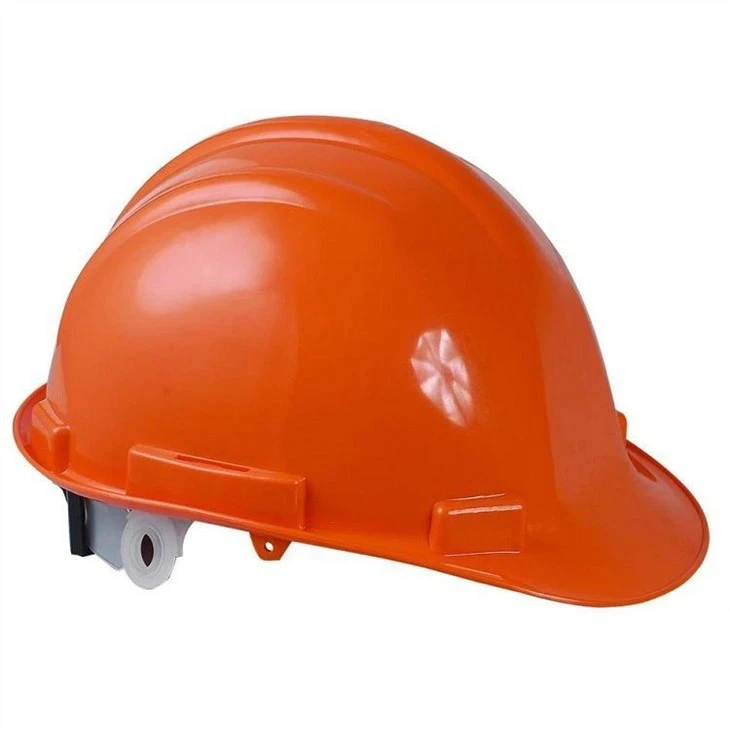
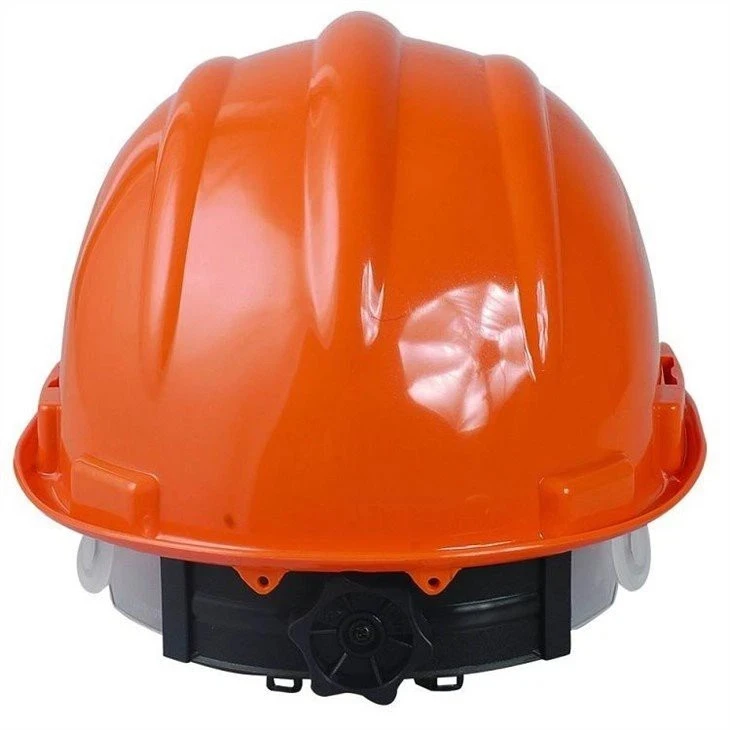
High-altitude safety helmets are highly engineered pieces of personal protective equipment (PPE) specifically contoured and reinforced to safeguard workers at height. Several important design elements and characteristics set these helmets apart from standard hard hats used in construction, manufacturing, and other settings:
Durability Against Impacts
The outer shell of high-altitude safety helmets is crafted from dense, durable materials like high-density polyethylene (HDPE) or advanced thermoset composites. These substances provide superior resistance against forceful impacts from falling or flying objects. Some models also integrate a thick foam inner liner for additional shock absorbance. Rigorous testing ensures the helmets can withstand the kinetic energy from items dropped from a height.
Resistance to Penetration
Sharp tools, blunt force, and high-velocity projectiles all pose dangers to workers' heads when operating at elevation. High-altitude safety helmets are reinforced to prevent penetration from such hazards. Thicker outer shells, tear-resistant straps, and woven fiber layers make it much harder for objects to puncture through to the head.
Secure Fit
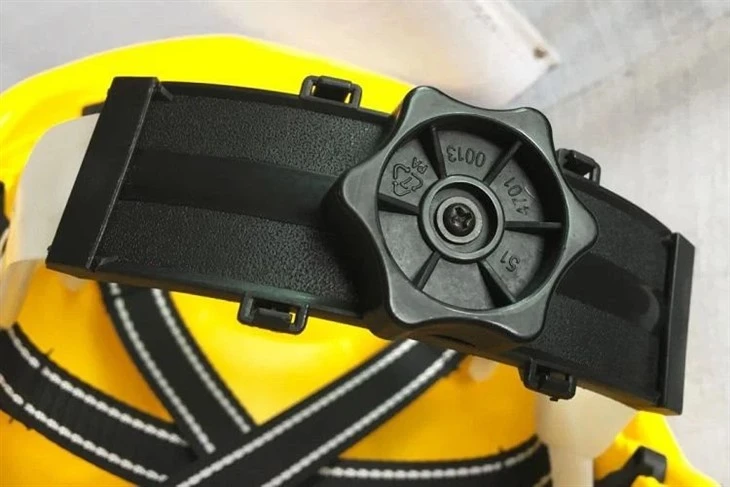
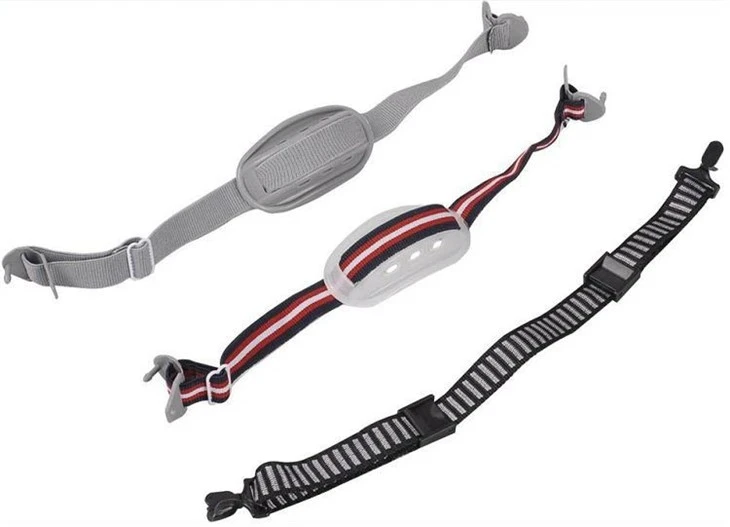
An adjustable harness with a chin strap keeps the helmet firmly in place on the wearer's head. This prevents the helmet from potentially slipping, falling off, or inadvertently dislodging if bumped. The stable positioning also allows the helmet to optimally absorb and distribute any impacts.
Coverage of Neck and Temples
Many high-altitude safety helmet models provide expanded coverage around the temples, rear of the head, and neck. This added protection shields these vulnerable areas against abrasions, lacerations, and blunt force trauma from lateral impacts. The expanded coverage provides essential protection for elevated jobs where debris may strike from multiple angles.
Dielectric Protection
Workers at height frequently use or operate around live electrical systems while installing wiring, lighting, utilities, and other components. High-altitude helmets offer dielectric insulation against accidental electrocution from contact with energized conductors carrying up to 20,000 volts. This protects the head and neck area from electrical burns and shock.
Ventilation and Breathability
Well-ventilated shells and sweat-absorbing liners allow air to flow through high-altitude safety helmets. This dissipates heat and moisture, preventing interior condensation that could fog eyewear and visors. Built-in ventilation ports also reduce heat stress and allow use in hot conditions.
Compatibility With Accessories
Most high-altitude safety helmets permit convenient attachment of accessories like earmuffs, face shields, visors, two-way radios, and mounted lights. Some models even allow the integration of supplemental fall protection attachments. This modularity enhances functionality, communication, and visibility for improved safety.
These integral features equip high-altitude helmets to effectively safeguard against the myriad hazards of working at height. Next, we will examine how adherence to strict safety standards further ensures the reliability of these indispensable pieces of PPE.
Compliance With Rigorous Safety Standards
For essential protective gear like high-altitude safety helmets, compliance with recognized quality standards provides assurance that the equipment meets stringent performance benchmarks. In the United States, the two major standards governing occupational head protection are overseen by ANSI and OSHA:
- ANSI Z89.1 - This American National Standards Institute (ANSI) standard sets specific impact and penetration requirements for industrial head protection. Helmets must pass tests involving different forces, mass, velocities, and object shapes simulating falling hazards at work sites.
- OSHA 29 CFR 1910.135 - The Occupational Safety and Health Administration (OSHA) mandates that helmets comply with the ANSI Z89.1 standard. OSHA also stipulates additional electrical insulation ratings.
High-altitude safety helmets from reputable manufacturers carry ANSI and OSHA certifications, along with CE markings in Europe. Only helmets passing rigorous laboratory testing and quality audits earn such verifications. The demanding criteria include:
- Impact Resistance - Withstand substantial blows from objects dropped from height simulating job site conditions.
- Penetration Resistance - Prevent the passage of pointed projectiles striking at high speed.
- Flammability - Self-extinguishing and resistance to ignition and burning.
- Electrical Insulation - Impede flow of electrical current through the helmet.
- Stability - Remain firmly in place on the wearer's head during work motions.
- Vision - Provide full peripheral and upward vision when properly positioned.
Adherence to ANSI, OSHA, CE, and other standards provides independent confirmation of the safety, durability, and performance of high-altitude helmets. Factories like ours only select equipment meeting the most stringent criteria verified through unbiased testing. Safety certifications deliver critical assurances that helmets will perform their protective role.
Now that we have covered some of the essential design and compliance factors underlying high-altitude safety helmets, we will examine the specific work environments and applications where they deliver immense value.
Industries and Professions Where High-Altitude Helmets Are Critical PPE
Due to the extreme risks at elevated worksites, high-altitude safety helmets constitute mandatory personal protective equipment (PPE) for numerous occupations. Any profession that routinely conducts operations high above ground should require and provide high-altitude helmets. Here are some of the leading industries and work activities where these helmets are indispensable:
Construction
Construction workers perform a huge range of building tasks while positioned on scaffolds, platforms, lifts, ladders, and partial structures at height. OSHA mandates head protection for these hazardous elevated jobs. Common applications where robust high-altitude hardhats are vital PPE include:
- Framing, roofing, and exterior finishes
- Operating cranes and hoists
- Erecting scaffolding and temporary structures
- Rigging, welding, and infrastructure installation
Energy
Professions in the utilities and energy sector frequently entail working at heights in close proximity to live power systems. High-altitude helmets with dielectric insulation prevent electrocution when installing, maintaining, or repairing:
- Overhead transmission towers and poles
- Wind turbines
- Cell, radio, and television towers
- Power substations and distribution infrastructure
- Rooftop solar arrays and panels
Telecommunications
Expanding wireless infrastructure relies on workers safely accessing antenna arrays and equipment atop towers and structures. High-altitude helmets ensure head protection scaling tall communications towers to service:
- Microwave dishes
- Cellular and broadcast antennas
- 5G small cell pole mounts
- Rooftop base stations and satellite gear
Transportation
Constructing, inspecting, and repairing elevated transportation infrastructure involves hazards requiring sturdy high-altitude safety helmets, including:
- Assembly of bridges, overpasses, and interchanges
- Maintenance of airport control towers, boarding bridges, and hangars
- Shipbuilding and shipyard repair work at heights
Public Works
Municipal employees maintain water towers, tanks, dams, and utility poles from dangerously elevated perches. High-altitude helmets prevent head trauma from falls when:
- Servicing reservoirs, smokestacks, silos, and storage vessels
- Conducting elevated repairs of streets, signs, lights, and signals
Industrial
Factories, plants, and refineries contain tanks, ducts, stacks, furnaces, platforms, and access ways where work assignments require amplified fall and impact defense from high-altitude safety helmets.
Film/Entertainment
Rigging lighting, sound, and effects equipment overhead in theaters or on challenging remote sets demands sturdy high-altitude helmets to prevent head injury from drops and falls.
Cleaning/Maintenance
Pressure washing, repairing, or cleaning the exteriors of tall structures like buildings, ships, and monuments requires fall prevention and impact protection while working on rigs and lifts.
This overview demonstrates the extensive range of potential applications in which the specialized protections of high-altitude safety helmets are indispensable. No worker should be dispatched to labor at height without these essential reinforcements guarding against overhead hazards.
In the following sections, we will detail the specific ways proper high-altitude helmets safeguard and prevent common injuries for workers at elevation across these industries.
Head & Neck Injury Prevention
The fundamental purpose of high-altitude safety helmets is absorbing impacts and shielding the head from crush injuries, trauma, and penetration. Let's examine some of the most prominent types of damaging head and neck injuries that high-altitude helmets prevent through their protective designs:
Skull Fractures
A falling hammer, tool, or fastener can fracture the skull if striking an unprotected head from even a moderate height. High-altitude helmets prevent such fractures by dampening and distributing the forces of direct overhead blows. Shell and liner materials engineered to dissipate impact energy shield the skull from harm.
Traumatic Brain Injuries
A high-velocity collision with an object dropped from elevation can trigger a traumatic brain injury (TBI) ranging from concussion to severe permanent damage. High-altitude helmets safeguard the brain by reducing the sudden g-forces imparted through robust outer shells and impact-absorbing inner foam or padding.
Lacerations and Abrasions
Materials or debris plummeting from overhead carry tremendous potential to lacerate and scrape unprotected heads. The solid shells and rounded contours of high-altitude helmets deflect and prevent such cuts and abrasions to the scalp or face. Impact-resistant shells also protect underlying blood vessels from rupture.
Spinal Cord Injury
Awkward bending of the neck during a fall or blow to an unprotected head can compress or dislocate vertebrae, damaging the delicate spinal cord. High-altitude helmets integrate foam liners and chin straps to immobilize and reinforce the head, neck, and cervical spine to avoid spinal cord trauma.
Concussions
Violent overhead collisions put workers at height at high risk for concussions or minor traumatic brain injuries. Concussions occur when the brain shakes rapidly within the skull. High-altitude helmets mitigate concussion severity by smoothing deceleration forces and preventing uncontrolled head movement.
Hearing Damage
Intense impulse noise from nearby equipment at height can damage unprotected ears. Many high-altitude helmets integrate slots for attaching ear cups or muffs to prevent hearing loss while working in noisy industrial environments.
Electrocution
Contacting live conductors while working near overhead power lines or equipment can prove fatal. The dielectric insulation of high-altitude safety helmets prevents the passage of electrical current through the head to protect workers from electrocution.
The range of damaging or fatal injuries preventable through high-altitude helmets underscores their indispensable life-saving role for duties performed aloft. Now let's examine how the absence of appropriate high-altitude safety helmets while working at height dramatically escalates the dangers of injuries.
The Dangers of Inadequate Helmets at Height
Given the gravity of potential head impacts, laceration hazards, and falls when working aloft, high-altitude safety helmets are the most fundamental PPE for preserving worker health and safety. Yet tragically, some employers neglect to mandate and provide adequate helmets for elevated jobs. Many preventable injuries and fatalities have resulted from inappropriate headwear lacking the essential protections of legitimate high-altitude safety helmets.
Standard Hardhats
Some companies mistakenly believe ordinary construction hardhats or bump caps meet safety needs at elevation. However, standard hard hats are only designed to shield from blows to the top of the head, not all-around impacts. They lack reinforced coverage of temples, neck, and rear head vital at height. High-velocity overhead collisions can fracture standard hardhat shells, resulting in serious or fatal head trauma.
Welding Helmets
Welding helmets feature flip-down shaded visors but lack impact or penetration resistance on par with bona fide high-altitude safety helmets. Welders working from lifts or platforms overhead depend on reinforced high-altitude helmets for sufficient protection.
Baseball-Style Caps
Alarmingly, some workers aloft wear just baseball caps or other soft headwear. These afford no defense against falling objects and increase the likelihood of devastating head or brain injury. Caps can detach on impact, exposing the head. High-altitude safety helmets must be mandated to avoid injuries.
Damaged/Decayed Helmets
Continued use of older high-altitude safety helmets that show signs of decay or damage, such as cracks or dents, can compromise performance. Aging padding also reduces impact absorption. Routinely replacing aged or compromised helmets ensures optimal protection.
Workers performing tasks overhead while wearing inadequate helmets face greatly amplified risks of severe or fatal traumatic head injury compared to colleagues donning proper protective high-altitude safety helmets. Safety managers must vigilantly confirm appropriate helmets meeting ANSI and OSHA criteria are selected and provided for the elevated hazards personnel will encounter on the job. No shortcuts can be taken when lives are on the line.
Best Practices for Maximizing Benefits
To fully realize the considerable protections and performance advantages high-altitude safety helmets offer workers at elevation, certain best practices should be instituted:
- Proper Fit - Helmets must fit snugly and be regularly adjusted as needed. Chin straps should always be buckled to retain stable placement.
- Regular Inspection - Users should routinely check their issued helmets for any signs of damage, wear, or defects and immediately request replacements as warranted.
- Accessories as Needed - Task-appropriate accessories like face shields, hearing protection, and high-visibility strips must be attached when required by workplace conditions.
- Lanyard Attachment - For extreme heights, installing anchor points for connecting helmet tethers can prevent potentially fatal drops.
- Careful Storage - Take care to avoid damaging helmets through careless handling or storage in extreme temperatures. Store in proper transport bags.
- Training - Educate workers on proper helmet positioning, adjustments, inspection, accessory installation, and lanyard use for maximum effectiveness.
- Custom Decals - Applying reflective decals of company logos or task designations can supplement visibility and team identity. However, avoid decorative paints or coatings that might degrade integrity.
- Replace Routinely - Set a conservative schedule for replacing high-altitude helmets at regular intervals to account for gradual wear. 2-5 years is typical depending on use levels.
Following these best practices ensures workers fully benefit from the injury prevention capabilities of their high-altitude safety helmets throughout rigorous elevated work shifts.
Partnering for Workplace Safety
As an established American manufacturer helping build and power the nation for over 50 years, our company deeply understands the daily hazards of working at heights. We have proudly partnered with thousands of construction firms, utilities, telecoms, factories, and municipalities to conscientiously help select and provide their workers with high-altitude safety helmets. These helmets meet the specialized needs of their elevated job sites and leverage the newest impact-absorbing, penetration-resistant, and comfort technologies available.
No organization should send their personnel aloft without the reinforced protections and certifications of ANSI-rated high-altitude safety helmets. As partners in workplace safety, we invite businesses across all elevated job segments to contact us for expert consultation. Our team stays current on the latest standards, innovations, and emerging applications to collaboratively outfit your crews with helmets best suited to their individual needs. We share the worthy goal of every worker returning home safely regardless of the heights they achieve on the job. When working to empower American commerce and communities from the skies downward, the groundwork for safety starts with securing what matters most—the heads of the dedicated men and women who propel industry upward.
In conclusion, meticulously engineered high-altitude safety helmets provide an indispensable barrier against workplace hazards and prevent countless serious or fatal head injuries among elevated occupations every year. Their specialized impact attenuation, resistance to penetration, stable fit, breathability, modularity, and compliance with strict ANSI and OSHA standards deliver essential, reliable protections across essential infrastructure and manufacturing fields. As leaders in head protection equipment and champions for workplace safety, we urge all employers to make high-altitude helmets mandatory for any employee working at height and contact us to explore customized solutions benefiting your personnel. Because professional duty means reinforcing the human foundations upholding American prosperity.

Hot Tags: high-altitude work safety helmet, China, manufacturers, suppliers, factory, wholesale, price, for sale, made in China, udyogi helmet, logging hard hat, Mining Safety Helmet, jsp helmet, z89 1, kask hard hat
Previous
Climbing Style Hard HatYou Might Also Like


Send Inquiry